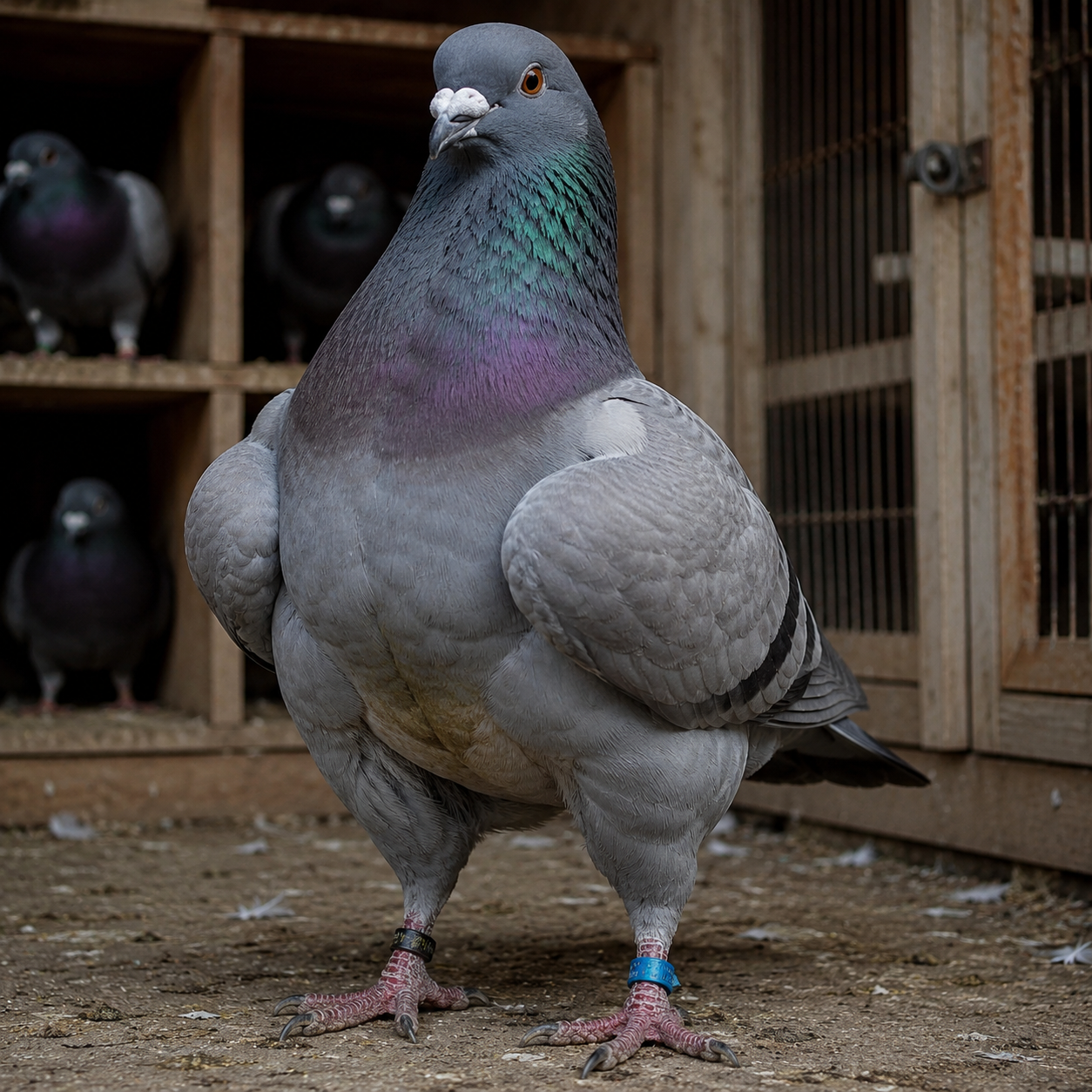
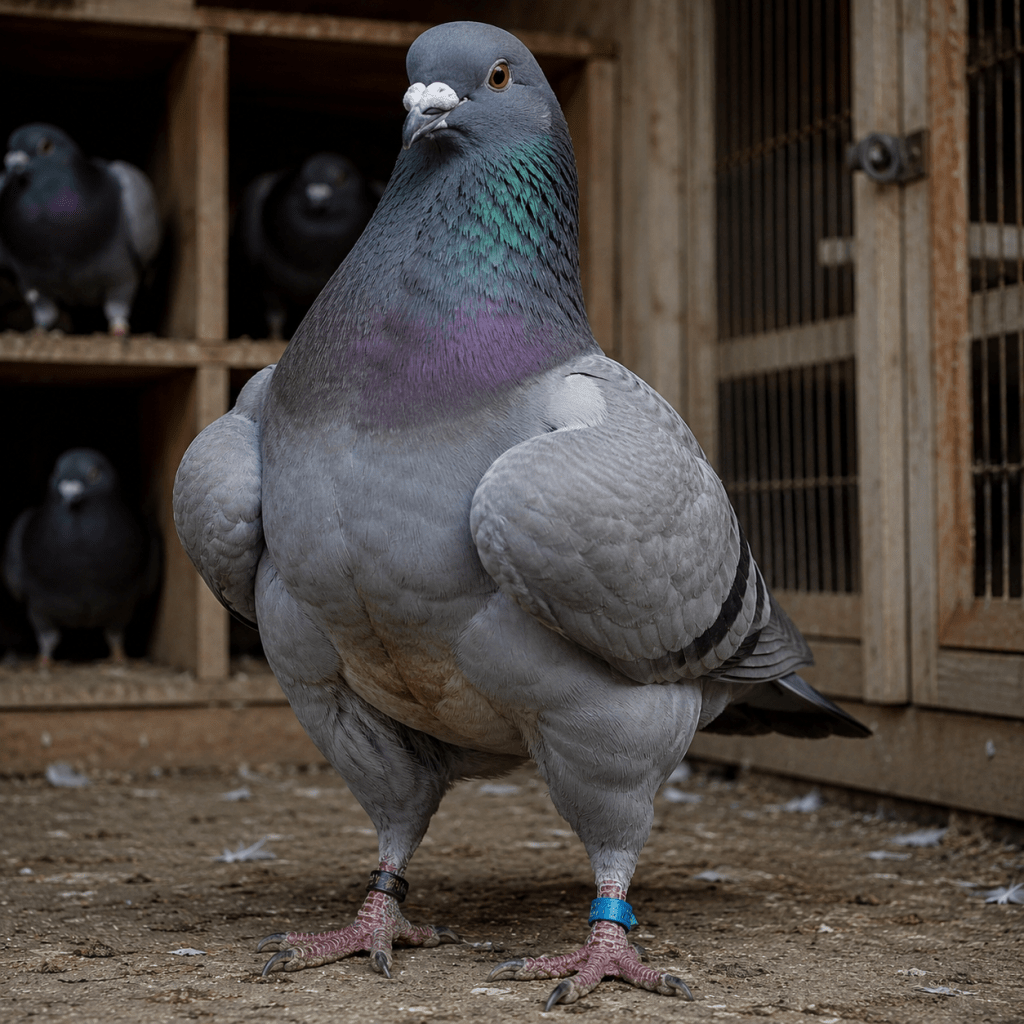
Barcelona – In a scandal that has stunned one of the world’s oldest and most niche competitive sports, officials overseeing international homing pigeon racing announced this week that multiple birds tested positive for performance enhancing substances following one of Europe’s premier long-distance races.
The controversy erupted after post-race blood testing conducted during the recent Barcelona International Pigeon Race revealed elevated levels of anabolic compounds and experimental cognitive enhancement substances in several top-finishing birds. Race organizers confirmed that the official results have now been overturned pending disciplinary hearings.
The Barcelona race, widely considered one of the most prestigious events in the pigeon racing world, involves birds traveling hundreds of miles across multiple countries before returning to their home lofts. Elite birds can sell for tens or even hundreds of thousands of dollars, with major races carrying prize pools reaching into the high six figures when sponsorships, side betting, and breeding contracts are included. Some championship birds have reportedly been sold internationally for more than $1 million due to their bloodlines and racing records.
“This was supposed to be the last pure sport,” said Belgian pigeon racing historian Marcel DeWitte. “People joked that nobody would ever try to chemically enhance a pigeon. But wherever there is money, prestige, and gambling, eventually someone tries to find an edge.”
According to preliminary findings released by the European Pigeon Racing Commission, investigators identified traces of avian-adapted anabolic muscle stimulants designed to increase wing endurance and reduce fatigue during prolonged flight. More surprisingly, laboratory analysis also detected compounds believed to improve spatial memory and navigational processing in birds.
Officials allege the cognitive enhancement regimen included nootropic-style substances intended to sharpen the pigeons’ magnetic orientation abilities and long-range homing instincts. Scientists have long believed pigeons rely on a mixture of Earth’s magnetic fields, solar positioning, smell, and memory mapping to navigate home over extraordinary distances.
“The idea appears to have been to create a bird that not only flies harder, but navigates with greater precision under stress,” explained veterinary neurologist Dr. Elena Vos of the Avian Performance Institute. “You are effectively enhancing both the engine and the guidance system at the same time.”
The scandal has sent shockwaves through the tight-knit racing community, where many enthusiasts viewed the sport as largely insulated from the corruption and pharmacological arms races that have plagued human athletics.
“This hurts,” said Dutch loft owner Pieter van Rijn, whose birds competed in the event. “People believed pigeon racing was built on breeding, training, instinct, and trust. Now everyone is wondering what’s natural and what’s manufactured.”
Investigators reportedly became suspicious after several birds posted unusually fast return times despite difficult crosswinds and elevated temperatures during portions of the route. Anonymous whistleblowers later alleged that underground veterinary suppliers had quietly marketed “flight enhancement stacks” within elite racing circles for years.
Officials declined to identify the accused competitors pending formal proceedings, but confirmed that at least seven birds from three separate lofts tested positive. Several additional samples remain under review.
Animal welfare groups have also condemned the alleged doping practices, warning that aggressive performance enhancement can place enormous strain on birds’ cardiovascular and neurological systems.
“There is a misconception that because pigeons are small, the risks are small,” said animal welfare advocate Renee Mallory of International Avian Welfare Federation. “These substances can dramatically alter metabolism, stress response, and organ function. The pressure to win appears to have overtaken basic ethical considerations.”
The overturned results are expected to trigger legal disputes over prize money, breeding contracts, and betting payouts tied to the race. Industry insiders warn the scandal could permanently damage public perception of competitive pigeon racing, a sport that already operates largely outside mainstream visibility.
Even so, longtime participants insist the overwhelming majority of racers remain honest.
“Most people in this world love these birds,” DeWitte said. “But every sport eventually reaches a point where passion collides with profit. Unfortunately, pigeon racing may have just reached that moment.”

