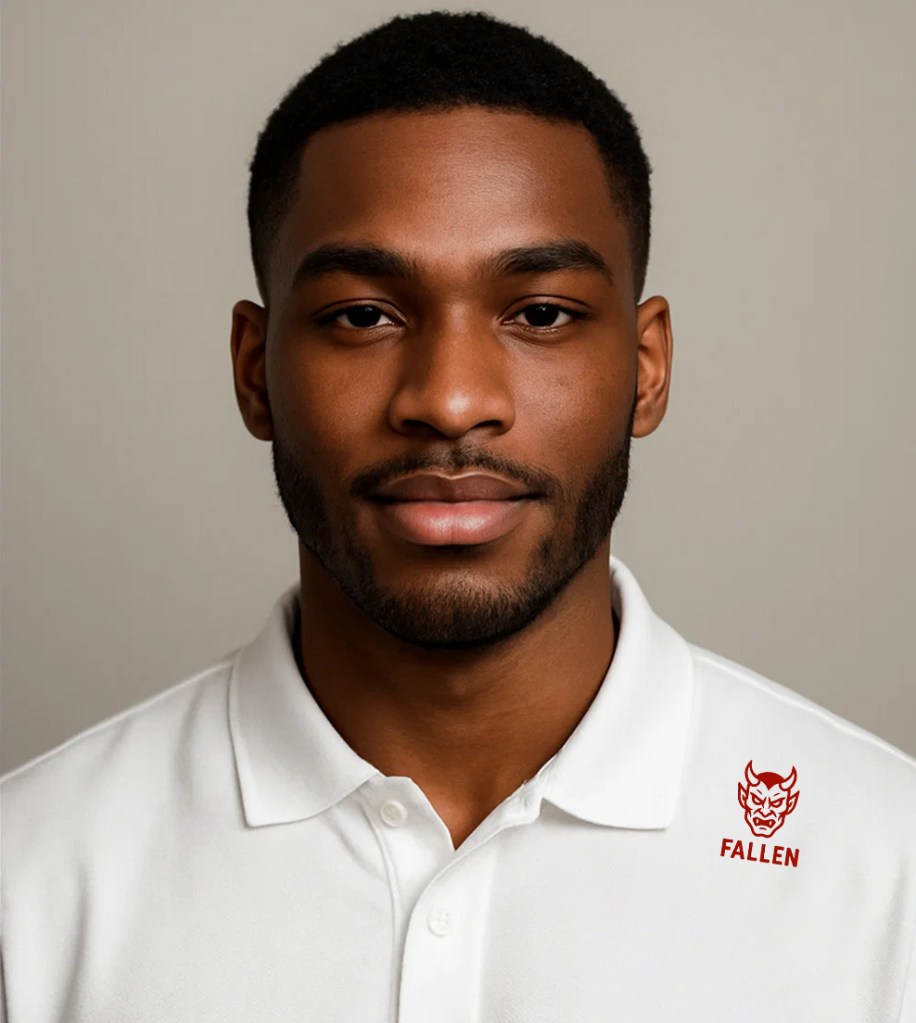
New York – In a subtle but strategic shift, clothing manufacturers are increasingly repositioning logos and emblems on polo shirts and other branded apparel, not for aesthetics, but for better visibility in the age of video conferencing.
Data from the Apparel and Branding Institute (ABI) indicates that between 2020 and 2025, the average placement of logos on polo shirts has moved upward by 2.3 inches. The traditional left-chest position is giving way to a new standard just below the collarbone. This change, industry insiders say, is a response to how upper-body framing in video calls has become the dominant visual space for networking, brand visibility, and presentation.
“Five years ago, we designed for the full in-person experience,” said Linda McCray, Senior Director of Product Innovation at Ashworth Apparel Group. “Now, we’re designing for a 9 by 16 rectangle on someone’s laptop screen. If your logo isn’t visible above the second button, it might as well not be there.”
According to ABI’s annual Branding on Apparel report, 68 percent of surveyed fashion brands with businesswear or lifestyle divisions acknowledged making intentional adjustments to logo placement since 2021. Among premium polo shirt manufacturers, that figure rises to 84 percent.
The trend began quietly during the early months of the pandemic when remote work became widespread. Brands that typically relied on event sponsorships, athlete endorsements, or in-store visibility suddenly faced a flattened marketing landscape. Millions of professionals, influencers, and CEOs were now visible only from the shoulders up.
“It was free advertising, as long as the logo showed up on screen,” said Jeff O’Riley, marketing strategist at ThreadProof Consulting. “You’d see a golf shirt on a Zoom call with the logo cropped out. That’s wasted ROI. Now it’s standard to place logos closer to the clavicle or integrated subtly along the button placket.”
One notable adopter of the trend is Fallen, a mid-tier menswear label whose Q1 2024 redesign shifted their signature crest from 4.5 inches below the collar to just 1.8 inches—a 60 percent repositioning. Their internal analytics showed a 37 percent increase in brand visibility on recorded webinars and LinkedIn video clips after the shift.
The ABI has even issued preliminary guidance for what it calls “Optimal Virtual Branding Zones.” According to the institute, logos placed between 1.5 and 2.25 inches from the neckline, on the left side of the shirt, offer the best balance of screen visibility, brand clarity, and perceived professionalism. The guidance recommends avoiding placement lower than 3 inches, which often falls out of frame during standard laptop or webcam angles.
Consumers have started to notice the difference, even if unconsciously.
“I couldn’t figure out what felt different about my new shirts until I caught my reflection on a Teams call,” said Rajiv Patel, an HR consultant in Chicago. “The logo was practically at my shoulder, but yeah, it looked sharp on screen.”
Not all reactions have been positive. Some style purists have criticized the drift as visually aggressive or unnecessarily attention-seeking. But fashion analysts argue that the move reflects a broader shift in how branding operates in a camera-first world.
“The chest is the billboard of the digital age,” said fashion historian Carla DuBois. “Whether you’re in a board meeting or a podcast, the camera crops in. Brands aren’t adapting just for style. They’re adapting for screen geometry.”
Even luxury brands have taken note. Polo Ralph Lauren, long associated with its mid-chest equestrian emblem, recently released a limited-run “Micro Zoom Collection” with the rider placed just above the heart line. The collection is optimized, according to press materials, “for visual clarity in hybrid environments.”
As remote and hybrid work solidify their place in modern life, experts say logo migration may become the new normal. What started as a design tweak is now becoming a default branding strategy.
“Ultimately,” O’Riley said, “this isn’t about fashion. It’s about staying seen.”
 Truth Bureau