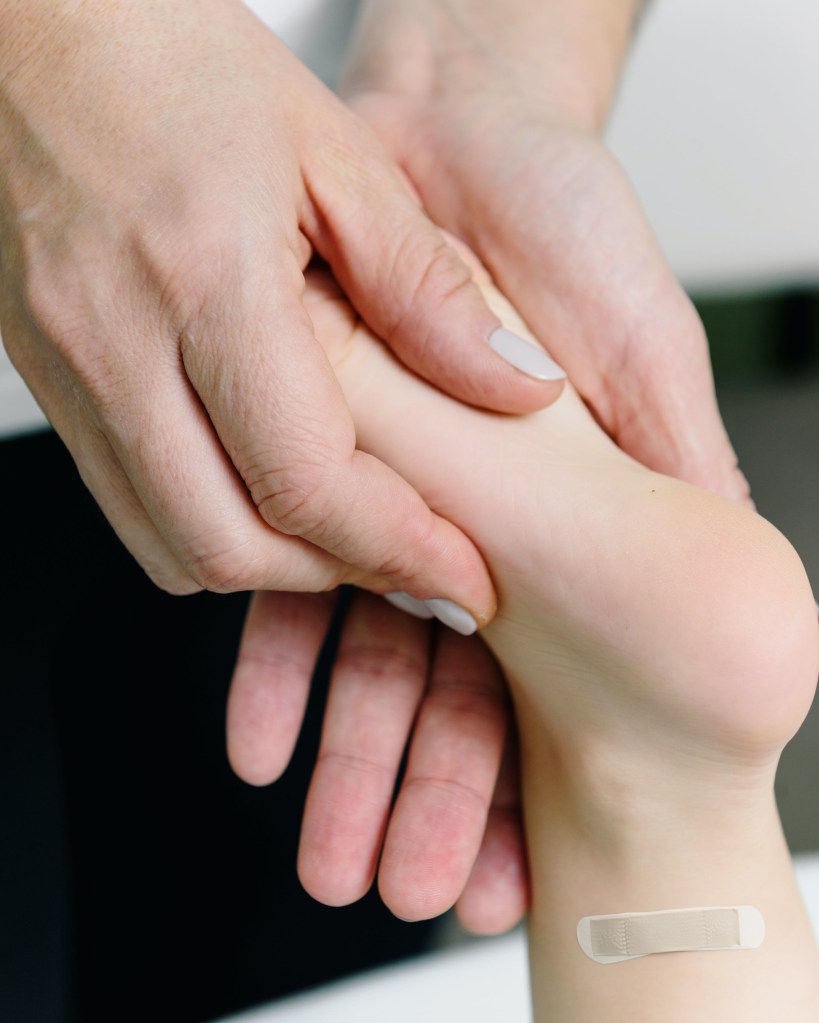
Eugene, OR – A local veterinarian is facing backlash and potential discipline after agreeing to implant a microchip in a baby at the parents’ request. Dr. Patricia Morris of Morris Veterinary Clinic found herself in hot water this week after news spread that she had inserted a grain-sized, identity-linked microchip beneath the skin of local one-year-old baby girl, Sophie Reed.
The microchip is designed to continuously track Sophie’s location and provide identification if needed. The unconventional procedure was done at the behest of Sophie’s parents, Ryan and Erica Reed, who were unable to find a pediatric doctor willing to perform the procedure.
Though pet microchipping is an everyday procedure for vets like Dr. Morris, implanting tracking chips in human children remains controversial. Several pediatricians had refused the Reed’s request before they approached Dr. Morris. While the Reed’s gave consent, many are questioning the ethics and medical necessity of microchipping infants when less invasive monitoring options exist.
“I stand by my decision to provide this service,” said Dr. Morris in a statement. “The Reed’s approached me out of love and concern for their child after being turned away by pediatricians. After placing hundreds of microchips in animals, I knew the procedure could be done safely, and it was not my place to deny care. Besides, the procedure is reversible and the microchip can be easily removed if needed.”
Child welfare advocates disagree. “There are so many risks involved with a veterinary microchip designed for continuous tracking and identification implanted in a still-developing infant,” said Dr. Anne Caldwell, president of the Oregon Pediatric Society. She listed potential dangers such as infection, electrical hazards, and tissue damage.
While the Reed’s defend their choice, local prosecutors are exploring whether child safety laws were violated. “No parent has the right to have potentially harmful, medically unnecessary tracking devices implanted in a child,” said Lane County District Attorney Amanda Gomez.
The controversy has veterinary oversight boards also investigating Dr. Morris’ practice, which could result in discipline or loss of her veterinarian’s license. For now, Sophie Reed’s microchip remains active while the case unfolds. Many people are hoping that her story prompts crucial debate regarding ethics and innovation in pediatric medicine.
 Truth Bureau