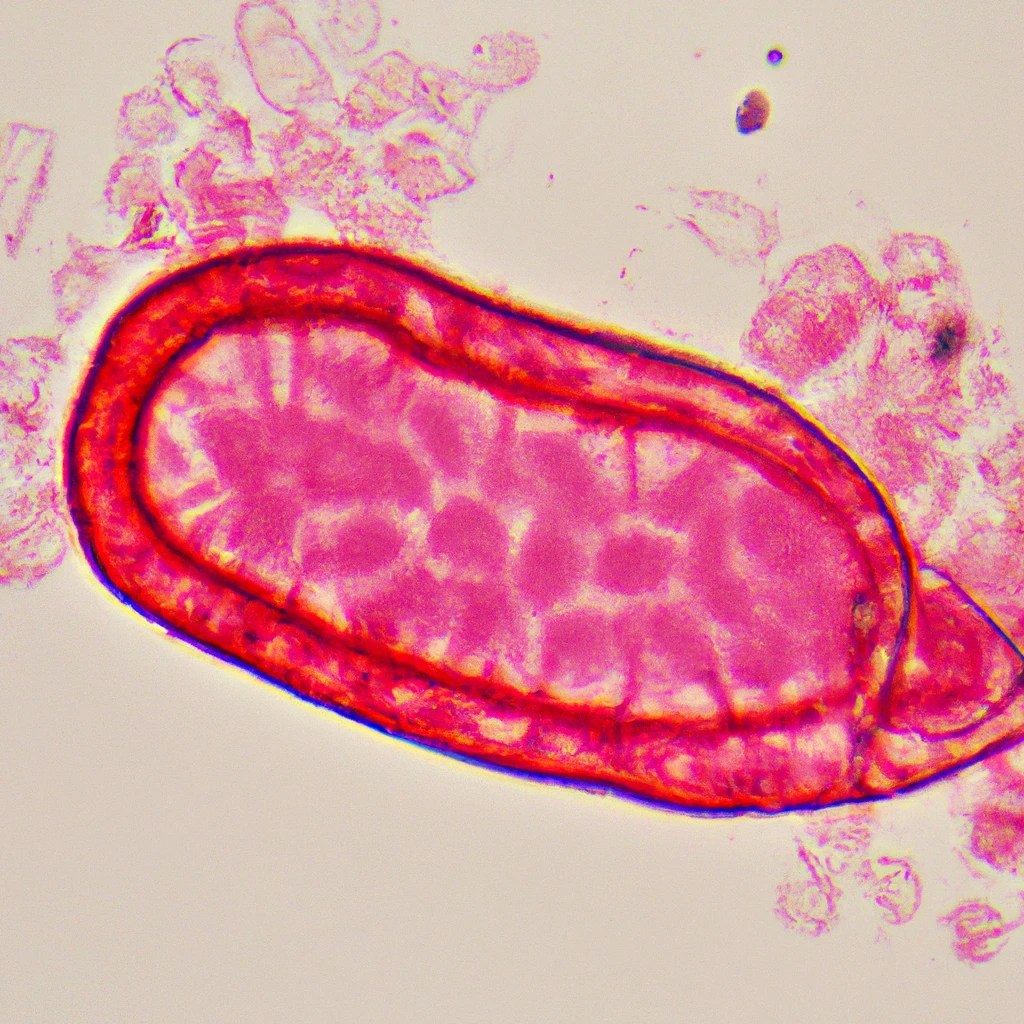
San Francisco – In a bizarre turn of events, Elon Musk, the tech visionary and CEO of SpaceX and Tesla, has openly challenged Facebook CEO Mark Zuckerberg to a toxoplasmosis test to settle the score on who might be infected with the infamous feline parasite. This ongoing clash between two prominent figures in the tech industry has sent shockwaves throughout Silicon Valley and left the world wondering: what will the tests reveal?
Rumors have been swirling for years about the potential effects of toxoplasmosis on individuals’ behavior and decision-making. Now, Musk has decided to take matters into his own hands and put his health to the test, inviting Zuckerberg to join him in a public toxoplasmosis showdown. “Let’s settle this once and for all,” Musk tweeted, “Who’s got the parasite? Bring it on, Zuck!”
Toxoplasmosis, a parasitic infection caused by Toxoplasma gondii normally infecting cats, has been linked to various behavioral changes in infected individuals. While scientific evidence supporting a direct correlation remains inconclusive, this hasn’t stopped Musk from issuing the challenge to Zuckerberg, hoping to prove his own parasite-free status and potentially unmask any hidden toxoplasmosis tendencies in his rival.
The proposed toxoplasmosis test would involve a series of medical examinations, including blood tests, brain scans, and psychological evaluations. Musk, always one to think big, even suggested that the results should be streamed live on YouTube for the world to witness. “We need transparency here,” he stated. “Everyone should know if their favorite tech leaders are under the influence of a parasitic infection!”
Mark Zuckerberg has yet to respond to Musk’s daring proposition, leaving many speculating about the Facebook CEO’s potential motives for staying silent. Could it be that he’s harboring a dark secret? Or is this merely a grandiose publicity stunt orchestrated by Musk to keep the world’s attention firmly fixed on him?
In recent scientific studies exploring the potential effects of Toxoplasma gondii infection on behavior, researchers have observed tentative links to increased risk-taking behavior and a slight correlation in car accidents although the evidence remains inconclusive. Other studies have suggested that individuals infected with Toxoplasma gondii may exhibit slight alterations in behavior, including a heightened propensity for schizophrenia and road rage.
These findings have sparked curiosity and further investigation into the potential influence of this parasite on human decision-making processes. However, it is important to emphasize that the extent of these effects, if any, and their impact on entrepreneurship or other specific behaviors are still areas of ongoing research and scientific debate.
Meanwhile, scientists continue to explore the potential mechanisms by which Toxoplasma gondii infection might impact human behavior, including the influence on neurotransmitters and neural circuits. However, the complexity of human behavior and the multitude of factors involved make it challenging to draw definitive conclusions.
Dr. Priya Patel, a respected infectious disease specialist from Birmingham University had this to say: “The effects of Toxoplasma gondii infection on human behavior are still not well understood. While some studies suggest potential links to altered behavior, we must exercise caution in drawing definitive conclusions. The complexity of human behavior and the multifaceted factors involved make it challenging to pinpoint the exact influence of this parasite. Further research is needed to unravel the intricate mechanisms and determine the true extent of its effects, if any, on individuals. But if I had to bet, my money is on Musk having the parasitic infection. It just would explain so much of his rash and erratic behavior.”
 Truth Bureau