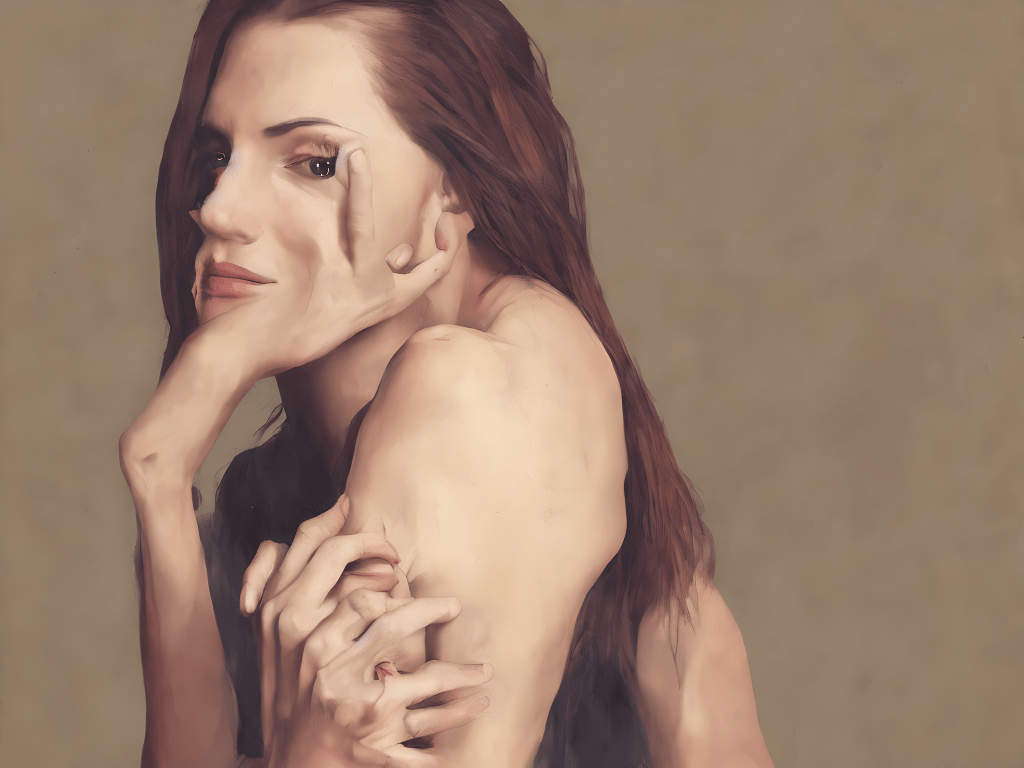
In an intriguing development in the realm of artificial intelligence (AI), a phenomenon known as the “El Greco Effect” has emerged as many AI-generated images exhibit distortions in human anatomy reminiscent of the artistic style of the renowned Spanish painter, El Greco. These surrealistic variations in AI-generated images often include extra fingers, noses, or other peculiarities or contortions in anatomy that challenge conventional notions of human form and are often the hallmark of AI-generated art.
The inclusion of these artifacts within AI generations are named after the Spanish Renaissance painter whose real name was Doménikos Theotokópoulos, a renowned painter born in 1541 on the Greek island of Crete. He spent a significant portion of his life in Spain, however, where he produced much of his notable works.
Although his style evolved over time, El Greco is best known for his elongated figures, dramatic compositions, contorted hand gestures, and unique use of color. While he worked in various genres, including portraiture and other compositions, his most celebrated are religious subjects.
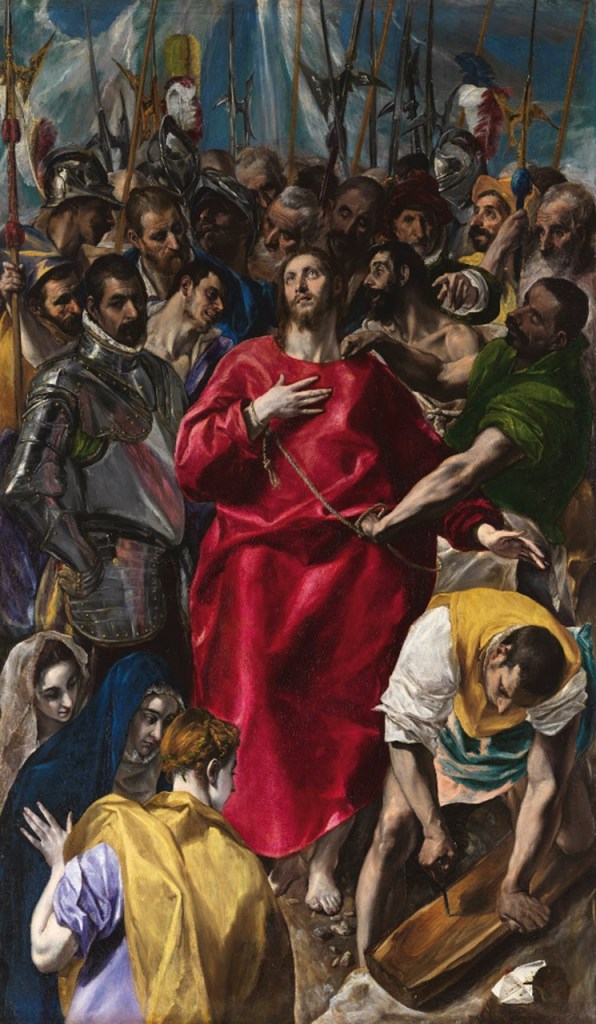
A notable example of El Greco’s elongated forms can be found in his picture, “The Disrobing of Christ,” painted between 1577 and 1579. It depicts the moment when Christ is being disrobed before his crucifixion. The artwork showcases El Greco’s distinctive style, characterized by elongated bodies, and contorted, expressive hands. The composition evokes intense emotions and highlights the artist’s mastery of color and light.
With AI-generated art now firmly mainstream, the “El Greco Effect” is being collectively used as an umbrella term to describe these deviations from traditional human anatomy within generated images and have captivated artists, AI enthusiasts, and researchers alike.
While AI-generated images have already sparked debate within the artistic and legal communities, these distortions have ignited another debate in the art world itself.
One school of thought argues that AI-generated images with these “errors” should be embraced as art in their own right. They believe that the distortions introduced by AI algorithms add a new layer of creativity and unpredictability to the artistic process. Supporters of this perspective argue that these images challenge traditional notions of perfection and beauty, pushing the boundaries of artistic expression in the digital age.
Art historian Professor Amelia Ramirez from Summit University emphasizes the potential historical significance of the “El Greco Effect” in AI-generated art, stating, “El Greco himself faced criticism for his unconventional style during his time. Today, we revere his artistic choices as innovative and visionary. The ‘El Greco Effect’ in AI-generated art is already carving its own place in art history whether you like it or not.”
On the other side of the debate, critics contend that these “aberrations” in AI-generated images are simply the result of computers producing art poorly. They argue that these deviations from standard anatomy are technical flaws rather than deliberate artistic choices. Detractors claim that the distortions undermine the pursuit of realism and detract from the aesthetic quality of the images. They advocate for a more precise and accurate rendering of the human form, considering the AI-generated images with the Greco Effect as flawed representations of art.
“Art should strive for technical precision and mastery. These distortions in AI-generated images are nothing more than technological flaws. They undermine the pursuit of true artistic representation and lack the beauty that comes from skilled human hands,” stated classical painter Thomas Newell.
As the debate continues, artists, researchers, and art enthusiasts must grapple with these differing perspectives. They raise intriguing questions about the intersection of human creativity and machine intelligence, blurring the lines between intention and algorithmic interpretation in shaping artistic expression.
Should AI-generated images with anatomical distortions be celebrated as a unique form of art, or should they be dismissed as algorithmic errors and nothing more? In this debate, the old adage may be best. Beauty, and by extension, art, is in the eye of the beholder.
 Truth Bureau